Choose a Reusable Water Bottle You Will Actually Carry
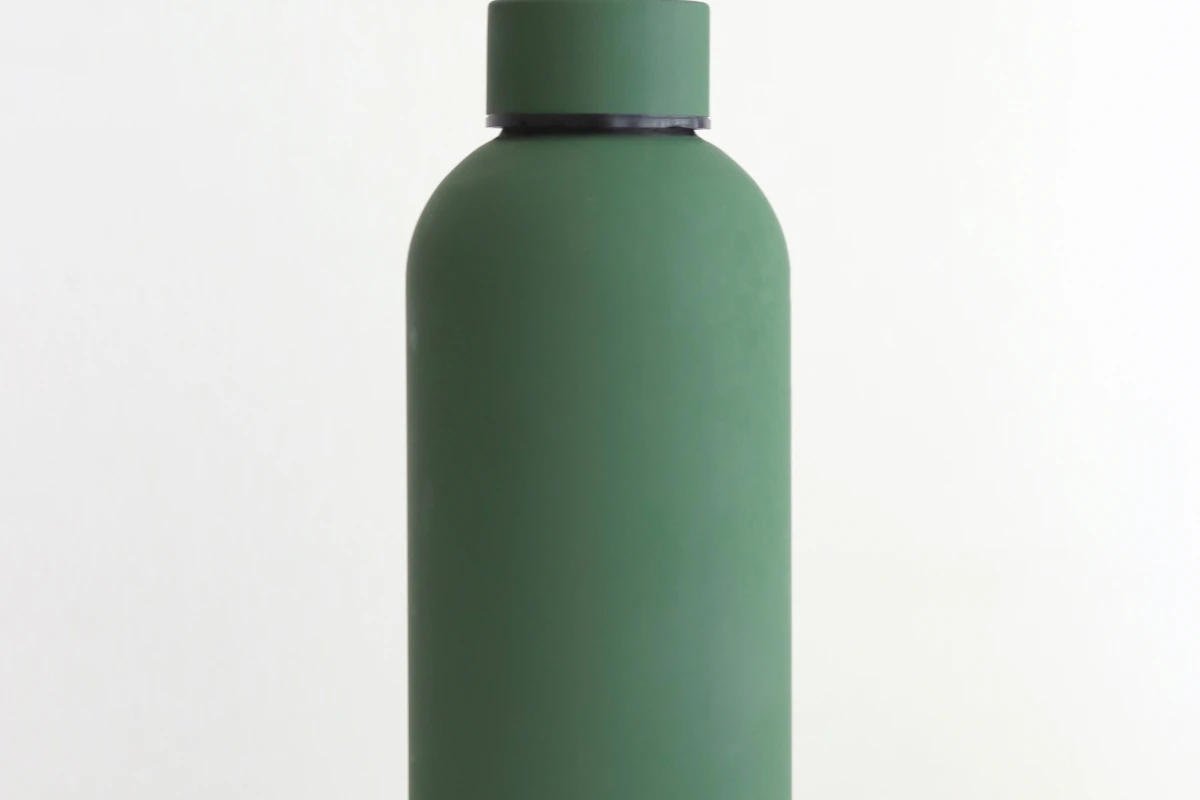
Editorial scene photograph via Unsplash. Images illustrate the setting and do not document product testing.
A reusable bottle can be excellent at home and inconvenient everywhere else. Imagine lifting a full, oversized bottle into a crowded work bag, only to discover that it does not fit the side pocket. Choosing a bottle begins with the journey it needs to make, not the largest capacity or the most attractive colour in a collection.
This guide compares practical features rather than claiming hands-on leak or insulation testing. Retail links go directly to the merchant without affiliate tracking. Read our Affiliate Disclosure for how recommendations work.
Choose the size for your actual day
Think about refill opportunities, bag space and how much weight you want to carry. A larger bottle can suit a day out with limited access to drinking water, but it takes more room and weighs more when full. At a desk with a nearby tap, a smaller bottle may be easier to clean and use.
Measure the bag pocket, cupboard shelf and any holder the bottle needs to fit. Product capacity alone will not tell you its height or width. A wide base might be stable on a desk but awkward in a bicycle holder. Avoid assuming that the word “travel” guarantees compatibility with your particular bag or vehicle.
Match the lid to the setting
| Setting | Useful lid feature | Tradeoff |
|---|---|---|
| Packed work bag | Secure closure with clear care instructions | More components may need cleaning |
| Desk at home | Easy opening and a stable base | An open spout may be unsuitable for travel |
| Walks and day trips | Comfortable carrying or gripping | Handles add bulk |
| Frequent cleaning | Simple parts and accessible interior | A wide opening may be less convenient while moving |
A straw lid can be convenient, but check whether the straw and seals can be removed for cleaning. A screw lid is often simple, though it still needs attention around the threads and gasket. Read the manufacturer’s instructions rather than treating a bottle as maintenance-free because it only contains water.
Consider material and cleaning together
Compare the weight of the empty bottle as well as its stated capacity. An insulated metal design may suit someone who values temperature retention, while a lighter design may be preferable for an already heavy bag. Glass can suit desk use for some people but needs careful consideration for travel and settings where breakage is a concern.
Do not assume every bottle, lid and seal has the same dishwasher instructions. Check each component and whether replacement lids or seals are available. If the opening is narrow, consider whether your current brush reaches the base. A bottle that is annoying to clean is more likely to stay unused in the cupboard.
Use the bottle only for drinks and temperatures permitted by its instructions. A container designed for cold water should not automatically be used for hot drinks or carbonated liquids. Check restrictions before purchasing if you want one bottle to serve several purposes.
Compare a small shortlist
Browse the published specifications at Chilly’s and John Lewis. Compare capacity, dimensions, empty weight, lid construction and care information. Insulation claims belong to the manufacturer unless independently tested; consider whether that feature matters enough to you to justify the extra weight or cost.
Check whether the price includes the exact lid shown and whether a replacement part is sold separately. A colour collection can encourage repeat purchases, but one useful bottle is usually a better starting point than several near-identical versions. Keep the receipt and inspect the item according to the retailer’s returns conditions before putting it into regular use.
Who should skip a new bottle?
If your existing bottle fits your bag, closes properly and can be cleaned as instructed, keep using it. A new purchase is more convincing when you can name a problem: a damaged lid, an unsuitable size or unavailable replacement parts. A popular design is not by itself a reason to retire a working item.
For related daily decisions, read our lunch-box guide and mindful shopping routine. The same fit-and-care questions apply to both.
Frequently asked questions
Is the biggest bottle best? Only if you need the capacity and will carry it. Include the weight of the water in your decision.
Must a reusable bottle be insulated? No. Insulation is a preference based on how and where you use it, not an essential feature for everyone.
What if the lid develops a problem? Check the manufacturer’s replacement and care options before replacing the entire bottle.
Sources: current manufacturer and retailer specifications at Chilly’s UK and John Lewis. Last checked 11 October 2026. No independent product testing is claimed.