A More Thoughtful Shopping Routine for Everyday Purchases
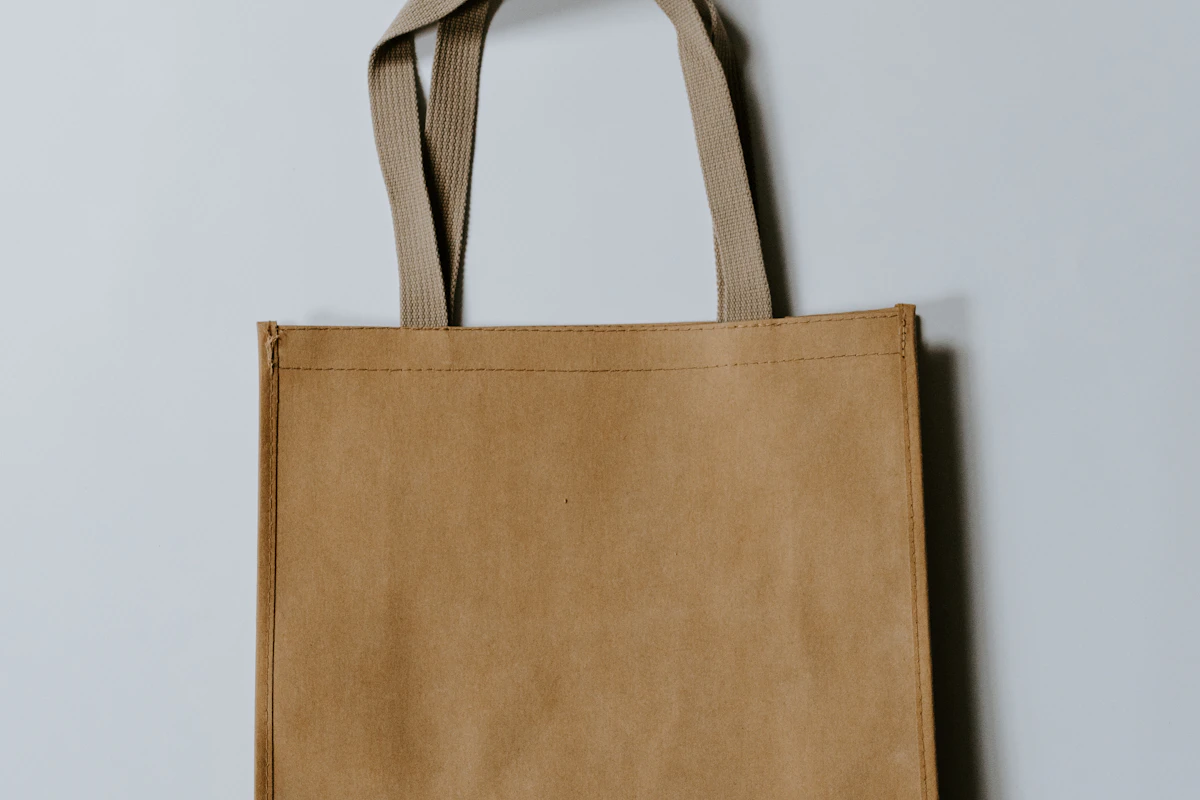
Editorial scene photograph via Unsplash. Images illustrate the setting and do not document product testing.
You open your phone to replace a broken kitchen utensil and, twenty minutes later, the basket contains storage jars, towels and a lamp. None is obviously extravagant, but the original problem has become an expensive room refresh. Thoughtful shopping means making the decision easier to explain before the checkout screen asks for payment.
This is a practical editorial framework, not financial advice or a promise of environmental savings. Direct retailer links below have no affiliate tracking. Our Affiliate Disclosure sets out how recommendations are handled.
Describe the problem in one sentence
Before browsing, write what the item needs to do. “Keep my lunch upright in a work bag” is more useful than “buy a better lunch box”. The first statement suggests measurable checks: dimensions, closure, cleaning and the food you normally pack. The second invites an endless comparison of attractive designs.
Check what you already own. An overlooked container, a repaired handle or a moved shelf may meet the need. This is especially worthwhile for occasional tasks such as hosting a large dinner. Borrowing can be sensible when the item will otherwise spend most of its life in a cupboard, provided the owner is comfortable lending it.
Separate essentials from preferences
Make two short lists: requirements and nice extras. Requirements might include fitting a particular drawer or being washable in the way you usually do laundry. Nice extras could include a fashionable finish. Both are valid, but recognising the difference helps stop a colour preference from disguising an unsuitable size.
| Question | A useful answer | Reason to pause |
|---|---|---|
| What job will it do? | A recurring task you can name | “It might be useful” |
| Where will it live? | A measured, accessible space | Another storage purchase is needed |
| What will it replace? | Something missing or unsuitable | A working equivalent already exists |
| How will I care for it? | A routine you can maintain | Care instructions do not suit your home |
Set a total budget including delivery, accessories and likely consumables. A product that needs special refills has a different ongoing cost from one that uses readily available replacements. Do not assume a bundle offers better value: compare the quantity you will actually use, not simply the largest package.
Put time between attraction and purchase
For a non-urgent item, save the exact model and return to it later. There is no universally correct waiting period; the point is to revisit the decision outside the pressure of a countdown banner. If the original need has disappeared, delete the saved item rather than finding a new reason to justify it.
Be specific about environmental claims. A description such as “natural” or “green” does not explain the material source, manufacturing process or disposal route. Look for concrete information relevant to the item and your local arrangements. Replacing a working object solely to own a more fashionable reusable version can also create an unnecessary purchase.
Second-hand buying deserves the same discipline. Inspect condition, missing parts and whether replacement components are available. For products with particular safety requirements, seek appropriate official guidance rather than relying on a seller’s reassuring description. A low price does not compensate for uncertainty about suitability.
Make comparison brief and useful
For home and kitchen purchases, John Lewis and Lakeland can be useful places to compare published dimensions and care requirements. These are browsing starting points, not endorsements of every listing. Read the actual returns conditions before placing an order, especially for personalised or used goods.
Limit the shortlist to a few candidates that meet your requirements. Record why one wins and the compromise you accept. If none fits, wait. A decision to buy nothing is a valid outcome, especially when the inconvenience is small and temporary.
Our reusable kitchen guide applies these questions to daily habits, while thoughtful gifts explains how to use them when buying for someone else.
Frequently asked questions
Should I always buy the cheapest suitable item? Consider care, repair options and likely use as well as the initial price. Avoid assuming that expensive automatically means durable.
What if a sale ends tonight? Compare the offer with your existing need and total budget. Urgency is not a product feature.
Can enjoyable purchases still be thoughtful? Yes. An honest pleasure purchase within your budget is clearer than inventing a practical necessity for it.
Sources and comparison starting points: current retailer product and returns information at John Lewis and Lakeland. Last checked 11 October 2026.