Choose a Lunch Box for the Lunch You Actually Take
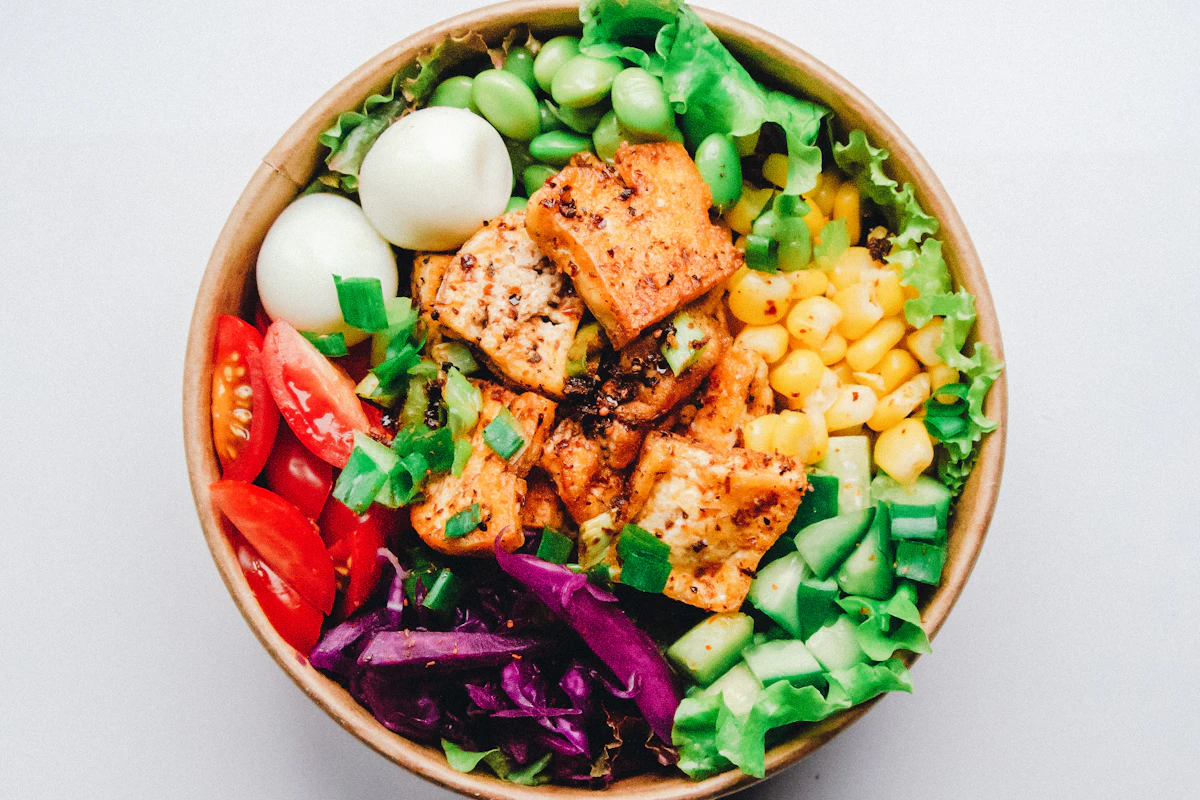
Editorial scene photograph via Unsplash. Images illustrate the setting and do not document product testing.
A lunch box that works for sandwiches may be frustrating for soup, and a generous glass container may make a commuter’s bag uncomfortably heavy. Begin with the food you usually take and what happens between packing it and eating it. The useful purchase is the one that fits that journey.
Consider a train commute, a short drive and a day without a workplace fridge as separate scenarios. The same container can perform differently in each. A good lid does not provide refrigeration, and a handsome insulated bag does not remove the need to follow food-storage guidance.
Map the lunch journey
Write down the usual meal, travel time, bag size and facilities at the destination. Is there a fridge? A microwave? Somewhere to wash up? Does the box stay upright? These answers matter more than the number of compartments shown in a photograph.
Measure the space inside your bag and consider everything else you carry. A wide flat box may be easy to eat from but awkward beside a laptop. A tall container may carry soup conveniently yet be inconvenient in a shallow workplace fridge. Check usable internal capacity rather than judging from the exterior alone.
Compare materials honestly
| Material | Useful scenario | Tradeoff |
|---|---|---|
| Glass | Meals heated at a destination, where rated suitable | Weight and breakage considerations |
| Plastic | Lighter everyday carrying | Care limits and condition need checking |
| Stainless steel | Robust transport where heating in the box is unnecessary | Do not assume microwave compatibility |
| Insulated food flask | A specific hot or cold meal arrangement | Follow temperature and preparation instructions carefully |
The lid may have different care or heating requirements from the base. Check the exact model instructions. Do not transfer microwave assumptions between similar-looking containers, and do not put a sealed lid into heating equipment unless the manufacturer explicitly allows that use.
Treat leak resistance as a practical question
Look for clear manufacturer guidance about liquids and carrying position. “Lunch box” does not automatically mean suitable for soup. Inspect seals, closures and the effort needed to open the box, particularly if hand strength or dexterity is a concern.
Compartments may separate textures without being independently watertight. If dressing could spread into bread, a separate suitable small pot may be simpler. A removable divider is flexible, but another component to wash and keep track of. Ask whether the extra parts solve a real problem.
Plan cold storage alongside the container
Follow package instructions and the Food Standards Agency’s chilling guidance. Food that needs refrigeration should spend as little time out of it as possible. Where a fridge is unavailable, plan suitable cold transport and storage, rather than expecting an ordinary box to keep perishable food safe.
For cooked leftovers, the FSA recommends eating them within 48 hours or freezing suitable portions if they cannot be used in time. See its cooking guidance and our meal prep article for storage planning. Particular foods can have additional instructions.
Cleaning decides long-term convenience
Check whether seals can be removed for cleaning and put back reliably. Inspect corners, hinges and vent openings. If you use a dishwasher, read the care requirements for every part and confirm whether they fit your normal loading arrangement. Keep the box clean, dry and stored as instructed.
Browse Lakeland directly for current container descriptions and care details. This is a non-affiliate retailer link. No item here has a fabricated leak-test result, durability rating or claim of hands-on editorial testing.
Before buying a matching lunch collection, try one suitable box. The reusable kitchen guide explains why a gradual approach can avoid cupboards full of containers that do not suit your food or washing routine.
Frequently asked questions
Are several compartments always better?
No. They suit some lunches but limit the shape and size of others. A single container and a separate dressing pot may be more adaptable.
Can an insulated bag replace a fridge?
Do not assume that it can. Consider the food, journey, cold packs and storage conditions, and follow official food-safety guidance and product instructions.
What should I spend more on?
Prioritise suitable construction, usable closures and cleaning access. Decorative extras and coordinated cutlery are optional if you already own suitable alternatives.
Sources and editorial notes
Food-safety information follows the linked Food Standards Agency pages. Buying comparisons are editorial judgement. Retailer links are direct and non-affiliate. Sources last checked: 11 October 2026.