Meal Prep for Two Busy Evenings, Not a Fridge Full of Boxes
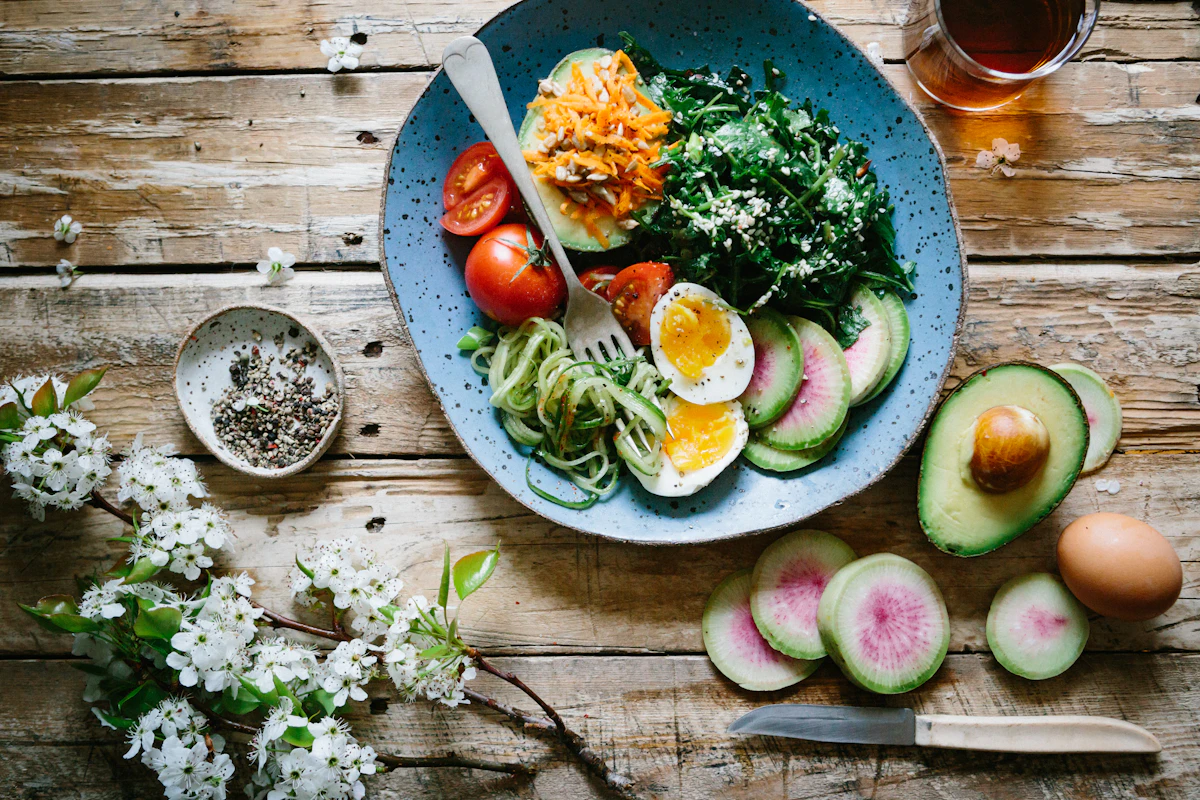
Editorial scene photograph via Unsplash. Images illustrate the setting and do not document product testing.
Meal prep becomes more useful when the plan starts with the evenings you actually have. If Tuesday involves a late train and Wednesday is quieter, those meals should not require the same amount of work. A small amount of preparation can make both easier without filling every fridge shelf with identical lunches.
Start with two meals and one flexible ingredient. A tray of vegetables, a prepared dressing or a portion of sauce may be enough. Avoid treating a social-media photograph of seven containers as a food-storage plan: ingredients, dates and household circumstances matter.
Look at the fridge before the recipe
Check use-by dates, package instructions and anything already open. Write a short list of what must be used first. Then choose dishes that share ingredients without tasting identical: roasted vegetables might accompany one dinner and become part of another, provided they are stored and used safely.
Choose portions based on who will be home. If attendance is uncertain, a freezer-friendly component can be more flexible than several fully assembled meals. Our freezer organisation guide explains a simple labelling system that prevents mystery tubs from becoming permanent residents.
Keep the preparation sequence simple
Wash hands and prepare a clean workspace. Read recipes before starting, then group tasks that use the same equipment. Keep raw foods separate from ready-to-eat ingredients and follow packaging guidance. Leave space to cool and store cooked food rather than cooking until every surface is occupied.
When time is limited, prepare one sauce and wash suitable vegetables rather than making an entire menu. Convenience ingredients can also be a sensible choice. The question is whether the plan reduces work on the day you need help, not whether every component was made from scratch.
Plan storage while you cook
The Food Standards Agency advises cooling cooked food and putting it in the fridge within one to two hours. It recommends eating refrigerated leftovers within 48 hours or freezing them if that will not be possible. Reheat leftovers only once and until steaming hot throughout. Consult its cooking guidance for the full advice, including microwave stirring and standing instructions.
Some foods have more specific requirements, so follow the relevant guidance rather than applying one rule to everything. In particular, check the FSA’s separate advice for rice. Label stored portions with their contents and preparation date, keep the fridge at 5°C or below, and allow space for cold air to circulate, as explained in its chilling guidance.
Choose containers you can manage
| Container | Useful scenario | Important check |
|---|---|---|
| Glass | Meals served at home | Weight, thermal instructions and lid compatibility |
| Plastic | Packed lunches and lighter bags | Intended use, condition and care instructions |
| Freezer bag | Flat portions of suitable sauces | Freezer suitability and leak resistance |
| Small lidded pot | Dressings kept separate | Cleaning access and secure closure |
Do not assume that a lid shares the microwave or oven rating of its base. Check individual manufacturer instructions. Measure a typical portion and your fridge shelf before buying a large matching set. Containers that nest neatly can be useful, but a replacement lid policy may matter more over time.
Browse Lakeland directly for storage options and manufacturer information. This is a non-affiliate link. A small set that matches your actual meals is preferable to buying a cupboard full of containers in sizes you rarely use.
Give the plan an exit route
Write down what will be eaten first and which portions are intended for freezing. If plans change, act within safe storage times rather than relying on smell or appearance. A freezer portion is useful only when you know what it is and can defrost and reheat it appropriately.
For meals taken away from home, see our lunch box buying guide. A suitable box is only part of the arrangement: chilled foods also need appropriate cold storage during travel and at the destination.
Frequently asked questions
Can Sunday leftovers last all working week in the fridge?
Do not plan on that. Follow the FSA’s 48-hour leftover guidance or freeze suitable portions promptly for later use, with any food-specific instructions taking priority.
Do I need expensive matching boxes?
No. Safe, appropriate containers in good condition matter more than a matching appearance. Check suitability for each intended use.
What is the easiest first preparation task?
Choose one component for a known busy evening. A smaller plan is easier to store, label and use properly.
Sources and editorial notes
Food-safety advice comes from the linked Food Standards Agency pages. Shopping considerations are editorial judgement, with no hands-on product testing claimed. Sources last checked: 11 October 2026.