Kitchen Scales: The Features That Matter for Everyday Cooking
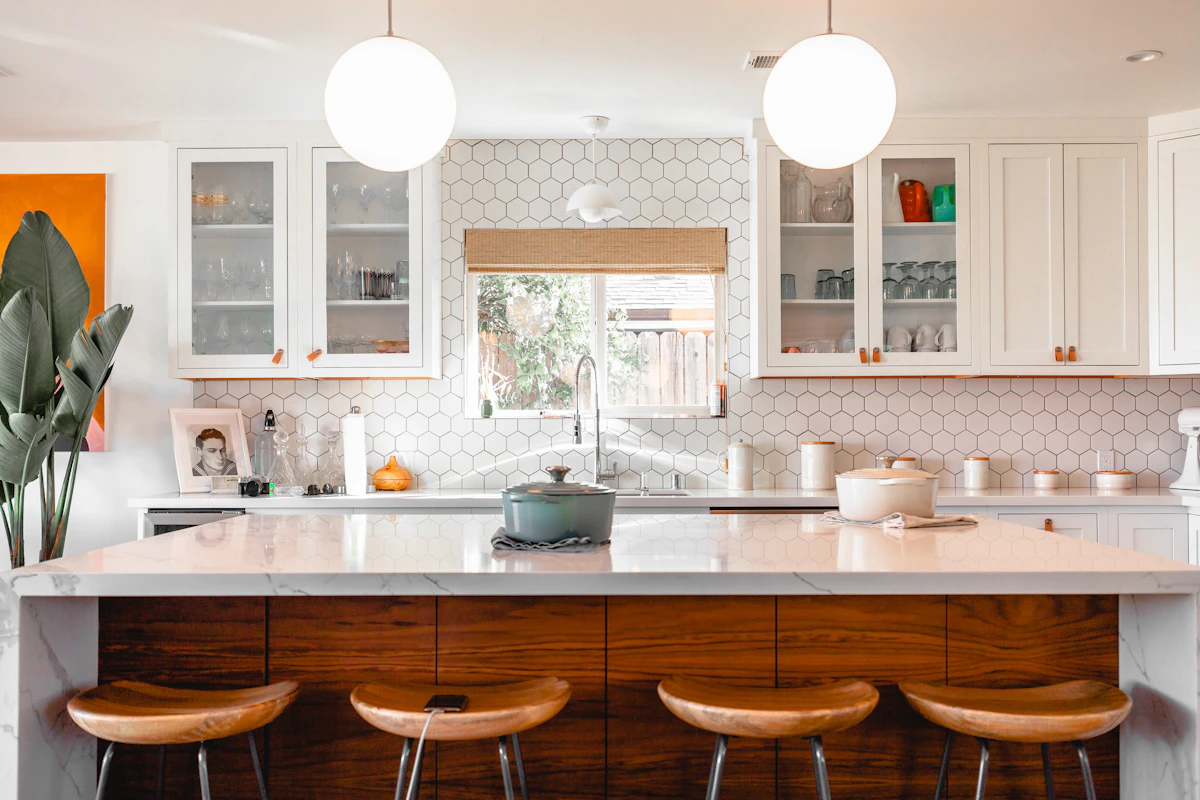
Editorial scene photograph via Unsplash. Images illustrate the setting and do not document product testing.
Picture a Saturday morning baking session in a small kitchen. The recipe is open on a phone, a mixing bowl covers most of the scales and flour is already on the worktop. This is when an easy-to-read display and a reliable tare button become more useful than a long list of extra settings. The right scales fit the way you cook, including the untidy moments.
This is a criteria-led buying guide, not a laboratory accuracy test. Links to retailers are direct and currently carry no affiliate tracking. Read our Affiliate Disclosure for the site’s approach to recommendations.
Check the bowl before the features
Take the measurements of your largest regularly used bowl. A tiny platform may technically support it, yet the rim can conceal the display. Look at product photographs that show a bowl in position, then check whether the controls remain accessible. A display projecting beyond the platform can be useful, but it may make the appliance less convenient to store.
Capacity should cover the ingredients and the container together. Taring subtracts the displayed weight; it does not remove the bowl’s physical load from the scales. Follow the manufacturer’s maximum capacity instead of treating the remaining recipe weight as the only figure that matters.
Buy for a recognisable task
| Main use | Prioritise | Think twice about |
|---|---|---|
| Cakes and bread | Clear grams display and simple tare | A platform hidden under your mixing bowl |
| Occasional meal preparation | Easy cleaning and compact storage | Features you must relearn each time |
| Recipes using different units | Convenient unit switching | Assuming volume conversion suits every ingredient |
| Small coffee quantities | An appropriate stated resolution | Expecting ordinary kitchen scales to replace specialist equipment |
Resolution means the smallest increment displayed. It is not a guarantee of accuracy across the full weighing range. If you need tiny quantities for a particular task, read the manufacturer’s specification rather than assuming any digital model will be suitable. Household kitchen scales are not a substitute for equipment intended for medical dosing.
Make the controls easy to live with
Tare lets you reset the display after placing a bowl on the platform or adding an ingredient. For an ordinary cake, that can mean fewer bowls to wash. Check whether the same button also turns the unit off and whether a long press is needed. A simple layout is particularly useful when several people share the kitchen.
An automatic switch-off can save battery power but can also interrupt a recipe if you spend a long time fetching ingredients. Check the instructions for the timing and whether it can be changed. Consider battery type and availability, too. A rechargeable design adds a charging routine; replaceable batteries add an occasional consumable purchase. Neither is automatically the better answer.
Assess cleaning instructions before choosing an attractive glass or metal finish. A smooth platform is easy to wipe, but seams and buttons can still collect flour. Do not immerse electronic scales unless the manufacturer explicitly permits it. Store them somewhere stable where heavy pans will not be piled on the platform.
A sensible comparison process
Browse Lakeland and John Lewis for current kitchen scales. Compare three models using the same four questions: can I see the display under my bowl, is the capacity suitable, do the controls suit my hands, and where will it live? Check current dimensions, instructions and returns terms on the individual listing.
Keep your existing scales if they meet those needs and the problem is simply a flat battery. If readings appear inconsistent, first check the instructions, the surface and the battery condition. Persistent problems can justify replacing the appliance, but a new colour rarely changes the cooking routine.
For a calmer cooking session, combine a useful tool with our meal preparation guide and freezer organisation plan. Equipment should support a routine you already use.
Frequently asked questions
Do I need a separate bowl supplied with the scales? Usually only if its size and storage suit you. A flat platform can work with bowls you already own.
Can I weigh liquids? Follow the instructions. A millilitre setting may use an assumed density, so it does not describe every liquid accurately.
Is a premium model necessary? Only when its specific features solve your problem. Readable, suitable scales are more useful than an impressive specification you never need.
Sources: manufacturer specifications linked from current Lakeland and John Lewis listings. Last checked 11 October 2026. No independent accuracy measurements were performed.