Make a Living Room Cosy Without Replacing Everything
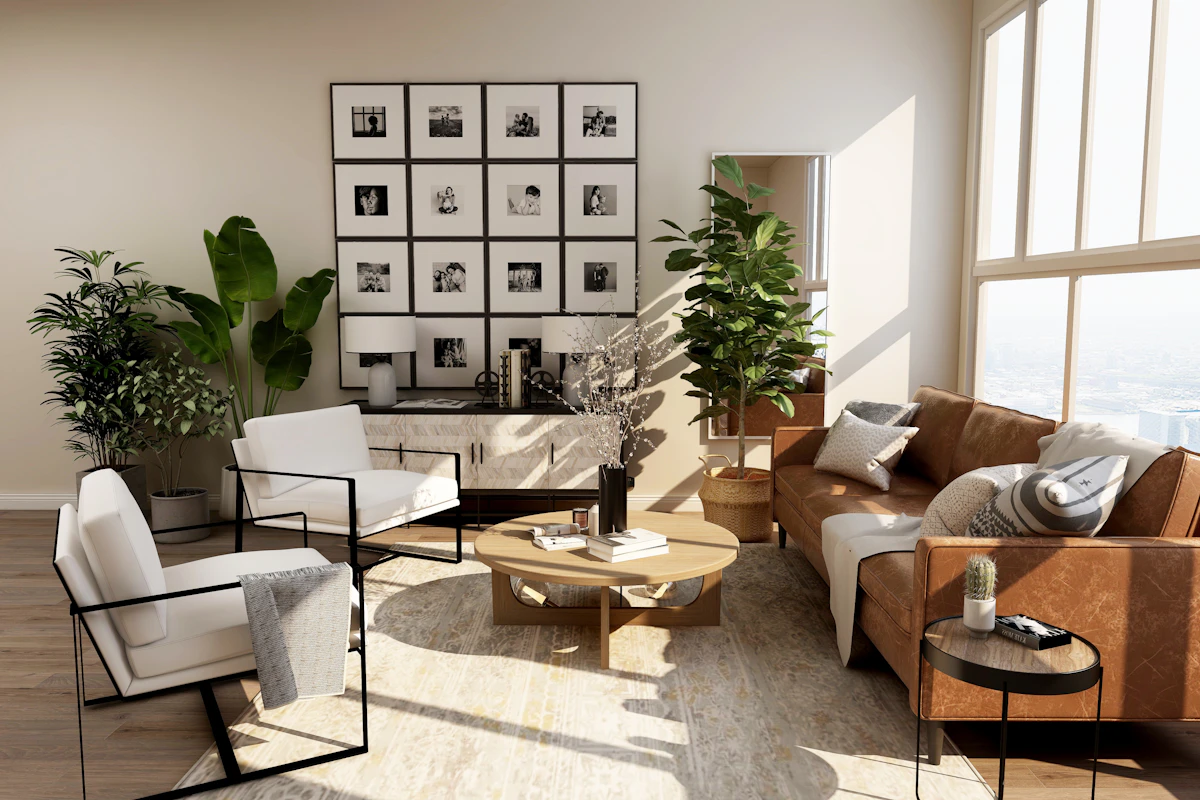
Editorial scene photograph via Unsplash. Images illustrate the setting and do not document product testing.
A cosy living room is a room that is easy to use. There is somewhere to put a drink, enough light to read and a comfortable place for the person who does not get the best corner of the sofa. Start with those everyday details before considering a new suite or an expensive styling order.
Picture a typical evening: someone is watching television, another person has a book, and washing is drying nearby. The room has to accommodate these competing needs. A layered approach to layout and lighting is usually more useful than trying to reproduce a photograph with no visible belongings.
Walk through the room first
Look at the route from the door to the main seat. Move small obstacles and check whether a coffee table forces an awkward shuffle. Try shifting existing furniture before buying anything. Leave clear access to exits, radiators and sockets, and keep cables from becoming trip hazards.
Sit in every seat. Is a lamp shining directly into someone’s eyes? Can everyone reach a side table? Does a rug curl at the edge? These observations create a practical shopping list. They also reveal when an extra object would make the room less comfortable by reducing its usable space.
Add light where an activity happens
Use the main ceiling light when you need it, then consider separate light near reading or conversation areas. Check a lamp’s dimensions, controls and bulb requirements before ordering. A floor lamp needs a stable position away from busy routes; a table lamp needs enough surface underneath it.
If you want a dedicated place to settle with a book, our reading corner guide starts with the chair and light rather than accessories. Lighting preferences are personal, and the effect depends on shades, surfaces and the size of the room.
Choose one textile change
A washable throw can be a useful first addition when the sofa is comfortable but the room feels visually bare. Check the actual measurements, fibre content and care label. An oversized blanket may look generous yet be awkward to wash or store in a small home.
| Option | Useful for | Tradeoff to consider |
|---|---|---|
| Cotton throw | A light, easily layered texture | May not offer the warmth you want |
| Wool throw | A substantial traditional feel | Care needs and skin sensitivity vary |
| Synthetic fleece | A soft, often easy-care layer | Check shedding and washing requirements |
| Extra cushions | Adjusting support and colour | Too many reduce sitting space |
These are broad material considerations rather than claims about individual products. Read the manufacturer’s information for the item you choose. Start with one or two cushion covers that work with what is already there, and keep usable inserts if they still fit and support you comfortably.
Give everyday things a home
One basket can hold the throw when it is not in use, but check its dimensions against the contents. A shallow tray may keep remote controls together without hiding them. Store children’s toys in reachable containers if the room doubles as a play area. The best arrangement is the one that can be reset without a complicated sorting process.
For seasonal changes, see autumn home ideas. Reusing a colour in two places can make existing pieces feel connected, but there is no need to match every shade or buy a complete collection. Books, photographs and useful objects already give a room character.
A sensible shopping order
Fix the practical gap first: a safe light, a reachable surface or a comfortable layer. Then consider decoration within a budget. Measure doors and delivery access for furniture, keep packaging until you have checked the item, and read the retailer’s current returns terms before ordering.
Browse IKEA UK directly for dimensions and general furniture options. This is a non-affiliate link. Our recommendations describe buying criteria; they do not imply that the editorial team has tested a particular sofa, lamp or textile.
Frequently asked questions
Can a small room feel cosy without becoming crowded?
Yes. Concentrate on light and comfort in the seats you use. Removing an awkward table may help more than adding several accessories.
Should every lamp match?
No. Similar finishes or proportions can connect different pieces. The useful test is whether each lamp suits its position and activity.
Is a rug essential?
No. If the floor already works, begin elsewhere. Consider cleaning, door clearance and a suitable non-slip arrangement before adding a rug.
Editorial notes
This is practical decorating guidance based on ordinary room-use scenarios. Retailer links are direct and non-affiliate, and no hands-on testing is claimed. Product care and safety instructions take priority. Links last checked: 11 October 2026.